F1 New Rules
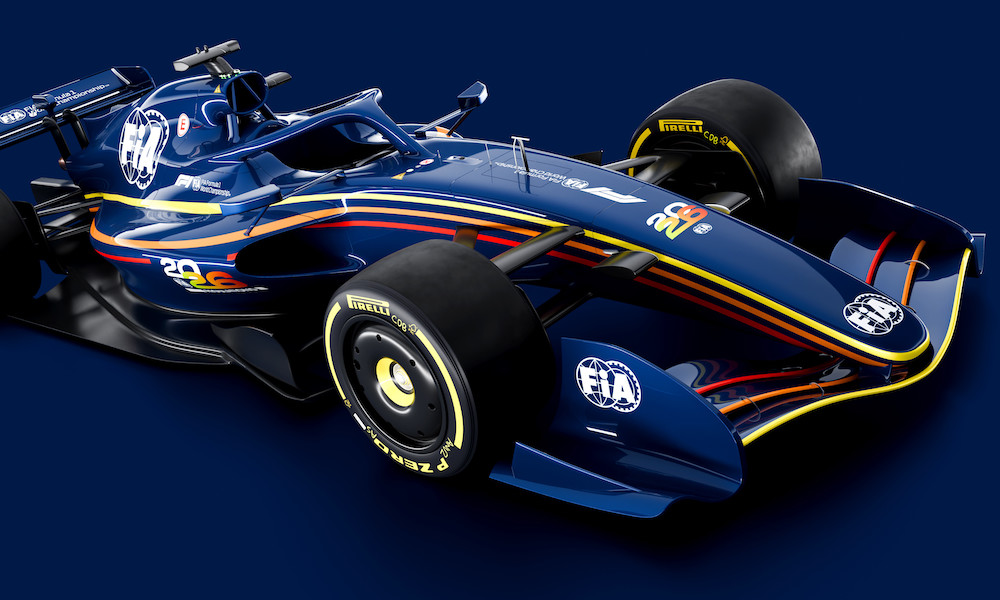
In 2026, Formula 1 is introducing one of the biggest rule changes in its history.
The new regulations focus on sustainability, closer racing, and attracting new manufacturers to the sport.
The cars, engines, and aerodynamics are all being redesigned to make Formula 1 faster, cleaner, and more competitive than ever before.

The 2026 power units will be very different from today’s engines.
The electrical power will increase significantly, making the hybrid system almost equal to the internal combustion engine in power output.
At the same time, F1 will move to fully sustainable fuels, reducing carbon emissions while keeping the high-performance identity of the sport.
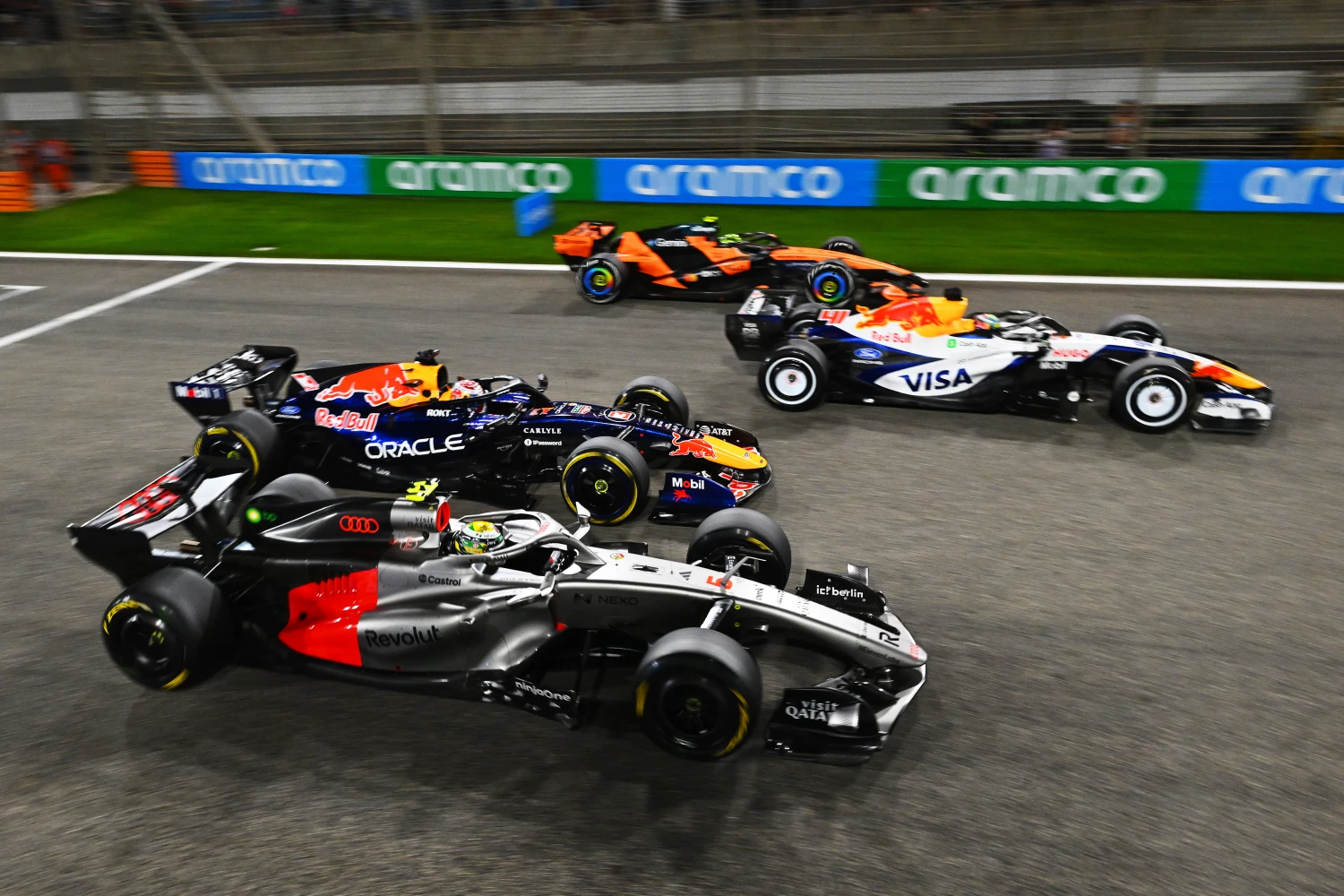
The cars themselves will become smaller and lighter.
Active aerodynamics will be introduced, meaning parts of the car can change shape on straights to reduce drag and increase top speed.
These changes are designed to improve overtaking and reduce dirty air.

These rule changes aim to create closer, more exciting racing..
With improved energy deployment and reduced aerodynamic drag, drivers will have more opportunities to overtake.
The balance between electric power and fuel power will also create new strategic possibilities.
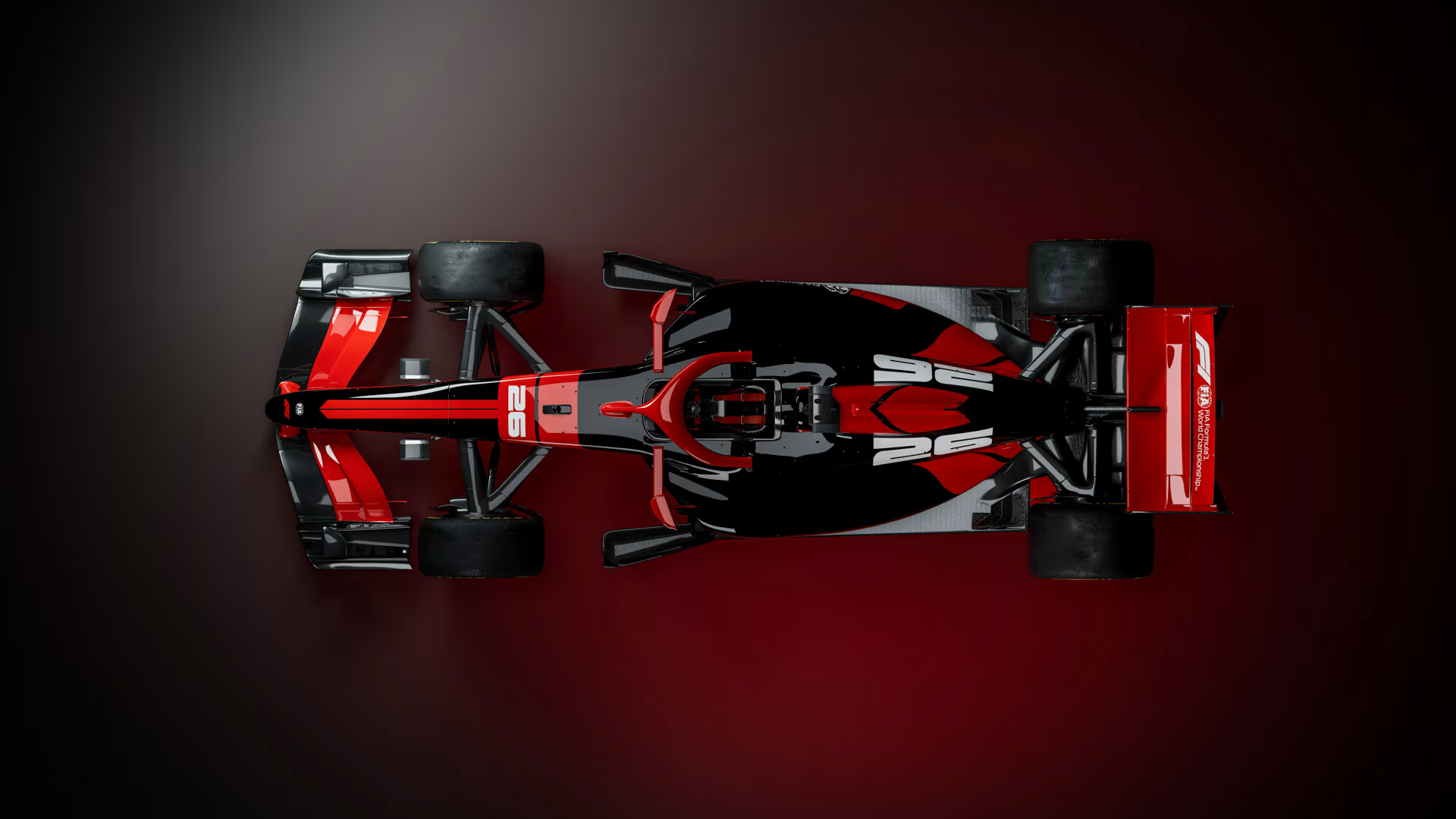
The 2026 regulations represent the future of Formula 1.
Major manufacturers like Audi and Ford are joining under the new engine rules.
With sustainability, innovation, and competition at the center, F1 is entering a bold new era.